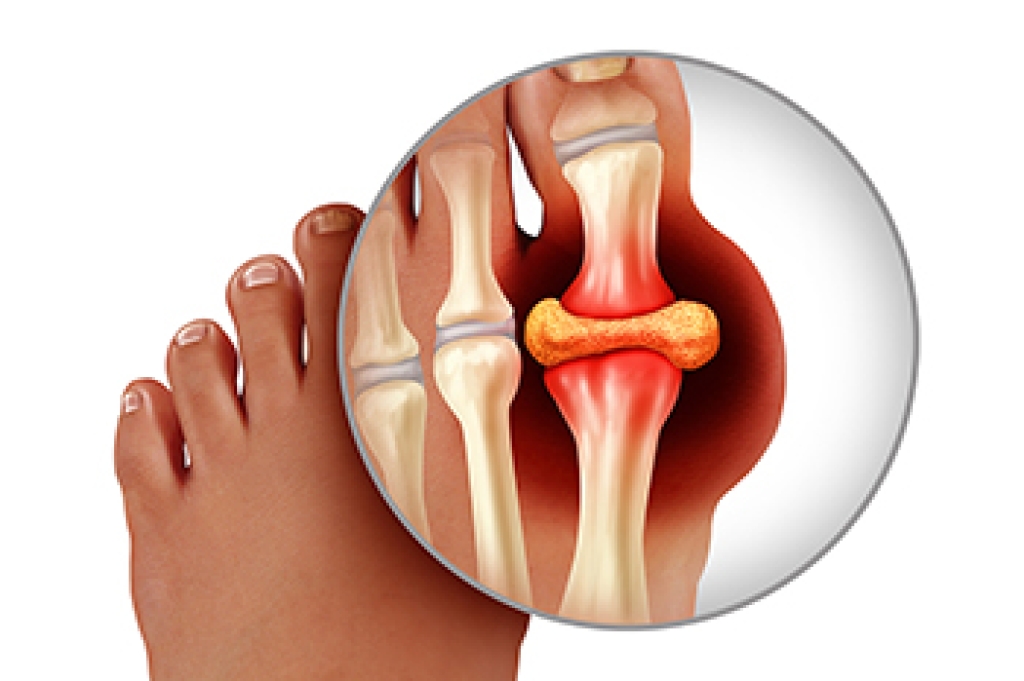
Gout is a form of inflammatory arthritis that develops when uric acid builds up in the blood and forms sharp crystals inside a joint. It commonly affects the big toe, although the ankles and other foot joints can also be involved. A gout attack may cause debilitating pain that begins suddenly and makes walking or wearing shoes difficult. The affected joint may become swollen and red, with stiffness that limits normal movement. Even light pressure from a bedsheet can feel uncomfortable during a severe flare-up. Although symptoms may settle within days or weeks, repeated attacks can lead to chronic arthritis and lasting joint damage without appropriate treatment.
Gout develops when the body produces too much uric acid or cannot remove enough of it. Uric acid forms as the body breaks down purines, which occur naturally in the body and in certain foods. When uric acid levels remain high, crystals can collect in joints and trigger inflammation. Some foods may increase the risk of gout flare-ups, particularly shellfish, anchovies, and organ meats, such as liver. These foods contain high levels of purines, which can raise uric acid levels in susceptible individuals. Alcohol, especially beer, and sugary drinks may also contribute to attacks. However, diet is only one factor, and gout can develop even when someone follows a balanced eating plan.
Several risk factors increase the likelihood of developing gout. These include a family history of the condition, being overweight, and reduced kidney function. Gout is more common in men, although women develop it, particularly after menopause. Certain medications and health conditions may also affect uric acid levels. Not everyone with elevated uric acid develops gout, so symptoms should be evaluated rather than assumed to have one cause. During an attack, the big toe may feel intensely tender and warm, while swelling makes comfortable footwear difficult to find. Recognizing recurring symptoms early helps prevent further joint damage and improve long-term foot health.
A podiatrist examines the foot joints, reviews symptoms, and assesses foot movement to determine whether gout may be responsible. Joint fluid analysis or imaging tests may be recommended when necessary to confirm the diagnosis or rule out other causes of inflammation. Treatment may include medication to reduce pain and swelling, along with advice about footwear and activity adjustments during a flare-up. Long-term management may involve dietary changes and strategies to help control uric acid levels. If you have developed gout, it is suggested that you be under the care of a podiatrist who will help you manage this painful condition.
Gout is a foot condition that requires certain treatment and care. If you are seeking treatment, contact Jordan Baker, DPM from Best Foot Forward Surgical Podiatry. Our doctor will treat your foot and ankle needs.
What Is Gout?
Gout is a type of arthritis caused by a buildup of uric acid in the bloodstream. It often develops in the foot, especially the big toe area, although it can manifest in other parts of the body as well. Gout can make walking and standing very painful and is especially common in diabetics and the obese.
People typically get gout because of a poor diet. Genetic predisposition is also a factor. The children of parents who have had gout frequently have a chance of developing it themselves.
Gout can easily be identified by redness and inflammation of the big toe and the surrounding areas of the foot. Other symptoms include extreme fatigue, joint pain, and running high fevers. Sometimes corticosteroid drugs can be prescribed to treat gout, but the best way to combat this disease is to get more exercise and eat a better diet.
If you have any questions, please feel free to contact our office located in Florence, SC . We offer the newest diagnostic and treatment technologies for all your foot care needs.
