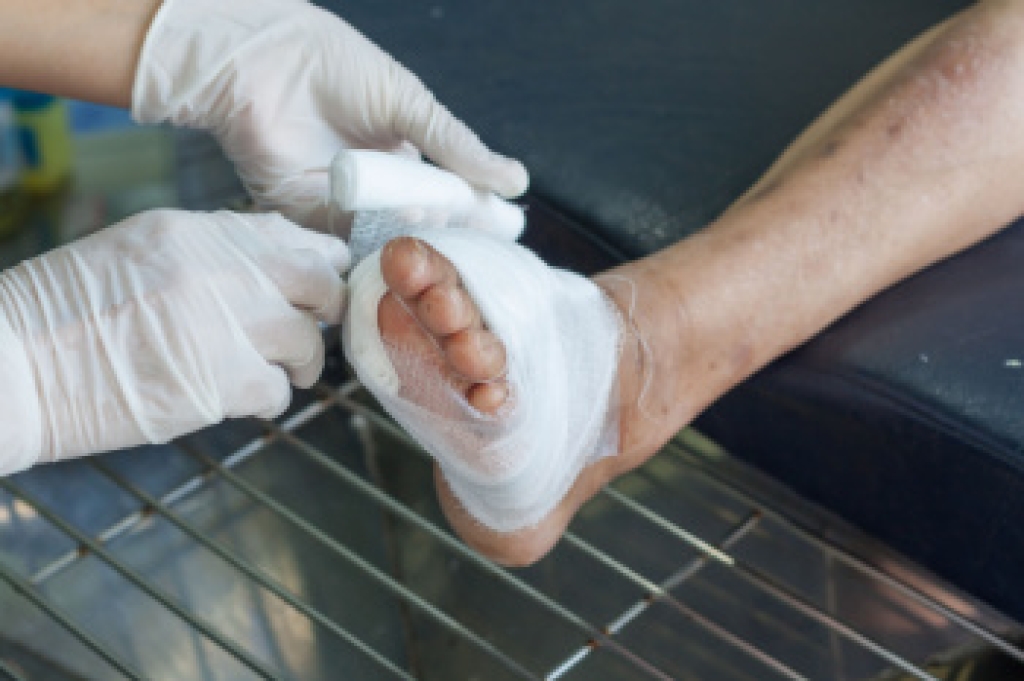
Toe Pain Caused by Sesamoiditis

Toe pain caused by sesamoiditis often develops when the small sesamoid bones beneath the big toe become irritated from repeated pressure during walking, running, or increased time on hard surfaces. These tiny bones act like pulleys that help the big toe move smoothly and absorb weight with each step. People usually describe a sharp ache directly under the big toe that worsens when pushing off the ground or bending the toe upward. Higher arched feet can place more force under this area, and shoes that lack adequate support, like thin flip-flops, can add further strain. A podiatrist can examine the toe, assess how the sesamoids are functioning, and use imaging to rule out issues like stress fractures. Treatment focuses on reducing pressure under the big toe with offloading inserts, wearing supportive shoes, and changes in activity. Surgery is reserved for rare cases involving ongoing pain or structural problems. If you have symptoms of sesamoiditis, it is suggested that you schedule an appointment with a podiatrist for an exam and appropriate treatment.

Sesamoiditis is an unpleasant foot condition characterized by pain in the balls of the feet. If you think you’re struggling with sesamoiditis, contact Jordan Baker, DPM of Best Foot Forward Surgical Podiatry. Our doctor will treat your condition thoroughly and effectively.

Sesamoiditis

Sesamoiditis is a condition of the foot that affects the ball of the foot. It is more common in younger people than it is in older people. It can also occur with people who have begun a new exercise program, since their bodies are adjusting to the new physical regimen. Pain may also be caused by the inflammation of tendons surrounding the bones. It is important to seek treatment in its early stages because if you ignore the pain, this condition can lead to more serious problems such as severe irritation and bone fractures.

Causes of Sesamoiditis

  • Sudden increase in activity
  • Increase in physically strenuous movement without a proper warm up or build up
  • Foot structure: those who have smaller, bonier feet or those with a high arch may be more susceptible

Treatment for sesamoiditis is non-invasive and simple. Doctors may recommend a strict rest period where the patient forgoes most physical activity. This will help give the patient time to heal their feet through limited activity. For serious cases, it is best to speak with your doctor to determine a treatment option that will help your specific needs.

If you have any questions, please feel free to contact our office located in Florence, SC . We offer the newest diagnostic and treatment technologies for all your foot care needs.


Read more about Sesamoiditis

Have I Sprained My Ankle?

The ankle joint is defined as a hinge between the foot and the leg. There are bands of tissues that are referred to as ligaments, and these can tear as a result of a sprained ankle. This can happen as the ankle twists from falling, or while suddenly stepping off a curb. Common symptoms of an ankle sprain include severe pain, swelling,  and difficulty walking. If you have sprained your ankle, mild relief may be felt when the foot is elevated, and it is advised to refrain from putting any weight on the affected ankle. If you have injured your ankle, it is strongly suggested that you speak to a podiatrist as quickly as possible who can help you to manage and treat this condition.

Ankle pain can be caused by a number of problems and may be potentially serious. If you have ankle pain, consult with Jordan Baker, DPM from Best Foot Forward Surgical Podiatry. Our doctor will assess your condition and provide you with quality foot and ankle treatment.

Ankle pain is any condition that causes pain in the ankle. Due to the fact that the ankle consists of tendons, muscles, bones, and ligaments, ankle pain can come from a number of different conditions.

Causes

The most common causes of ankle pain include:

  • Types of arthritis (rheumatoid, osteoarthritis, and gout)
  • Ankle sprains
  • Broken ankles
  • Achilles tendonitis
  • Achilles tendon rupture
  • Stress fractures
  • Bursitis
  • Tarsal tunnel syndrome
  • Plantar fasciitis

Symptoms

Symptoms of ankle injury vary based upon the condition. Pain may include general pain and discomfort, swelling, aching, redness, bruising, burning or stabbing sensations, and/or loss of sensation.

Diagnosis

Due to the wide variety of potential causes of ankle pain, podiatrists will utilize a number of different methods to properly diagnose ankle pain. This can include asking for personal and family medical histories and of any recent injuries. Further diagnosis may include sensation tests, a physical examination, and potentially x-rays or other imaging tests.

Treatment

Just as the range of causes varies widely, so do treatments. Some more common treatments are rest, ice packs, keeping pressure off the foot, orthotics and braces, medication for inflammation and pain, and surgery.

If you have any questions please feel free to contact our office located in Florence, SC . We offer the newest diagnostic tools and technology to treat your foot and ankle needs.

Read more about Ankle Pain

Seasonal Foot Care Tips

Summer is the perfect time to enjoy warm weather, but it is also a season when your feet need extra care. Avoid super hot showers because they can dry the skin and make cracking more likely. Gently exfoliate to remove rough patches and keep the skin smooth. Additionally, always apply sunblock to the tops of your feet when wearing sandals or spending time outdoors, since this area is often overlooked and prone to sunburn. A podiatrist can help you manage dry skin, evaluate foot pain, and recommend products that keep your feet healthy through the summer months. If you have any type of foot pain, it is suggested that you consult a podiatrist who can treat various foot conditions, and guide you on additional everyday foot care routines. 

Everyday foot care is very important to prevent infection and other foot ailments. If you need your feet checked, contact Jordan Baker, DPM from Best Foot Forward Surgical Podiatry. Our doctor can provide the care you need to keep you pain-free and on your feet.

Everyday Foot Care

Often, people take care of their bodies, face and hair more so than they do for their feet. But the feet are a very important aspect of our bodies, and one that we should pay more attention to. Without our feet, we would not be able to perform most daily tasks.

It is best to check your feet regularly to make sure there are no new bruises or cuts that you may not have noticed before. For dry feet, moisturizer can easily be a remedy and can be applied as often as necessary to the affected areas. Wearing shoes that fit well can also help you maintain good foot health, as well as making it easier to walk and do daily activities without the stress or pain of ill-fitting shoes, high heels, or even flip flops. Wearing clean socks with closed shoes is important to ensure that sweat and bacteria do not accumulate within the shoe. Clean socks help to prevent Athlete’s foot, fungi problems, bad odors, and can absorb sweat.

If you have any questions, please feel free to contact our office located in Florence, SC . We offer the newest diagnostic and treatment technologies for all your foot care needs.

Read more about Every Day Foot Care

Understanding Plantar Warts and Your Foot Health

Plantar warts are small growths that develop on the soles of the feet due to the human papillomavirus entering the skin through tiny cuts or weak spots. They often appear as rough, grainy, or fleshy lesions and may have small black pinpoint dots within them. Symptoms can include tenderness while walking, a feeling similar to standing on a pebble, and discomfort that increases with pressure. Some warts grow inward beneath a thickened layer of skin, making them difficult to identify without professional guidance. A podiatrist can provide a clear diagnosis through careful examination and can recommend treatments such as topical medications or debridement depending on the severity and location of the wart. Professional care helps prevent spreading, reduces pain, and supports faster recovery. If you notice persistent foot pain or a suspicious growth on the sole of your foot, it is suggested that you schedule an appointment with a podiatrist for relief and treatment options.

Plantar warts can be very uncomfortable. If you need your feet checked, contact Jordan Baker, DPM from Best Foot Forward Surgical Podiatry. Our doctor will assist you with all of your foot and ankle needs.

About Plantar Warts

Plantar warts are the result of HPV, or human papillomavirus, getting into open wounds on the feet. They are mostly found on the heels or balls of the feet.

While plantar warts are generally harmless, those experiencing excessive pain or those suffering from diabetes or a compromised immune system require immediate medical care. Plantar warts are easily diagnosed, usually through scraping off a bit of rough skin or by getting a biopsy.

Symptoms

  • Lesions on the bottom of your feet, usually rough and grainy
  • Hard or thick callused spots
  • Wart seeds, which are small clotted blood vessels that look like little black spots
  • Pain, discomfort, or tenderness of your feet when walking or standing

Treatment

  • Freezing
  • Electric tool removal
  • Laser Treatment
  • Topical Creams (prescription only)
  • Over-the-counter medications

To help prevent developing plantar warts, avoid walking barefoot over abrasive surfaces that can cause cuts or wounds for HPV to get into. Avoiding direct contact with other warts, as well as not picking or rubbing existing warts, can help prevent the further spread of plantar warts. However, if you think you have developed plantar warts, speak to your podiatrist. He or she can diagnose the warts on your feet and recommend the appropriate treatment options.

If you have any questions, please feel free to contact our office located in Florence, SC . We offer the newest diagnostic and treatment technologies for all your foot care needs.

Read more about What Are Plantar Warts?

Why Live with Pain and Numbness in Your Feet?

Suffering from this type of pain? You may have the foot condition known as Morton's neuroma. Morton's neuroma may develop as a result of ill-fitting footwear and existing foot deformities. We can help.

Connect With Us

scroll to top