Constant care and regular evaluation are important for a foot or ankle fracture. If left untreated, foot or ankle fractures can worsen over time and create more serious problems.
Don't wait to be examined if you believe you've experienced a foot or ankle fracture.
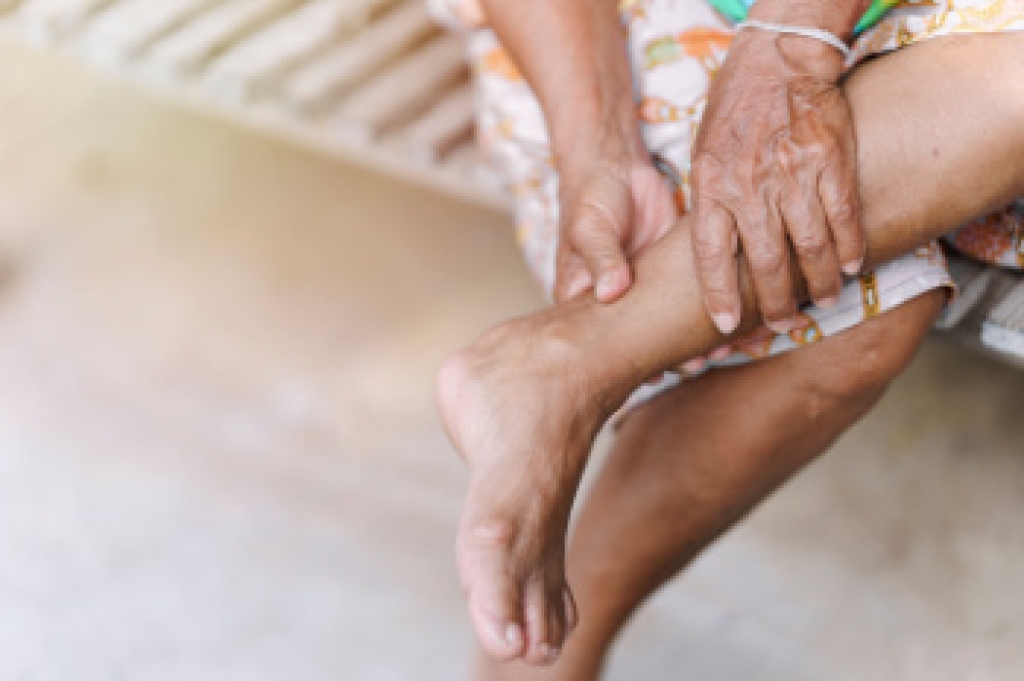
Poor circulation in the feet occurs when blood does not flow efficiently through the lower legs and feet. Symptoms may include cold feet, numbness, or slow-healing sores. Some people develop leg or foot discomfort while walking that improves after resting. Risk factors include smoking, diabetes, and prolonged inactivity. Sitting for long periods can also limit leg movement and may contribute to circulation concerns.
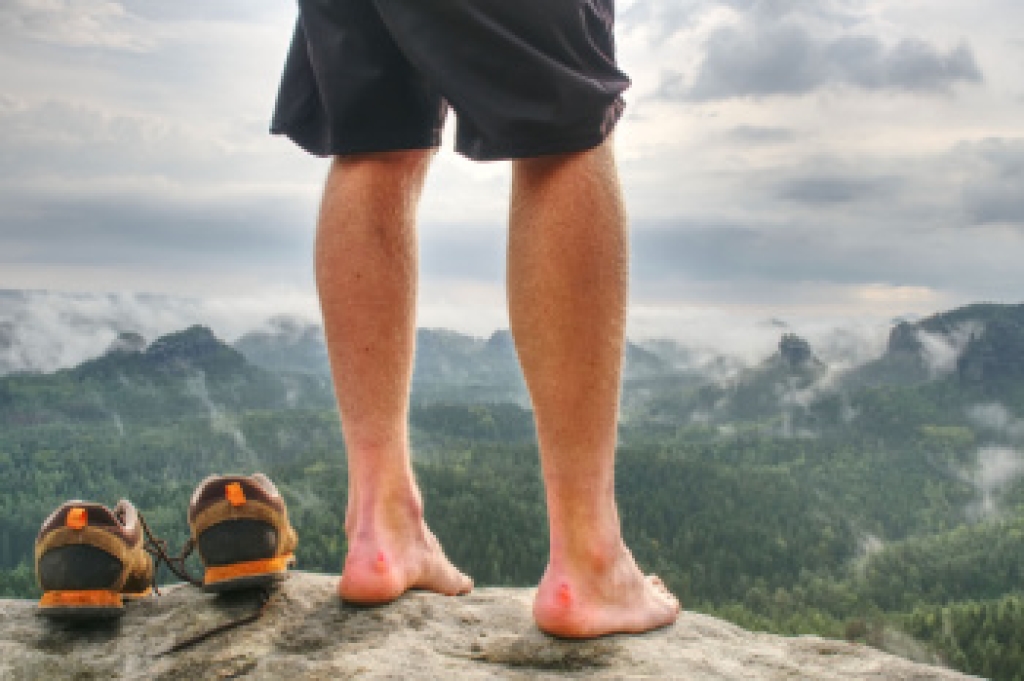
Hiking with poor circulation in the feet requires extra planning, because longer periods of walking can increase discomfort and foot stress. Choose supportive hiking shoes with enough room for your toes, wear moisture-wicking socks, and avoid footwear that feels tight. Check your feet before and after each hike for blisters, redness, or changes in color. Take regular breaks and consider shorter trails with easier terrain. Stop hiking if you experience severe pain, increasing numbness, or significant color changes.
Poor circulation may result from narrowed arteries, vein problems, or other conditions affecting blood vessels. When circulation is reduced, the feet may receive less oxygen and nutrients, which can interfere with healing. A podiatrist can check pulses, skin temperature, and areas of pressure. Treatment focuses on the underlying cause while protecting the feet from injuries and complications. Wounds may require careful cleaning, protection, and monitoring.
Between hikes, avoid sitting for long periods of time without moving your legs. Stand regularly and gently move your ankles when sitting. Keep your feet protected from extreme temperatures because reduced sensation can make injuries harder to notice. Good foot care is especially important when hiking with poor circulation. If you have poor circulation in your feet or develop symptoms while hiking, it is suggested that you consult a podiatrist for effective relief and management tips.
Poor circulation is a serious condition and needs immediate medical attention. If you have any concerns with poor circulation in your feet contact Jordan Baker, DPM of Best Foot Forward Surgical Podiatry. Our doctor will treat your foot and ankle needs.
Poor Circulation in the Feet
Poor blood circulation in the feet and legs is can be caused by peripheral artery disease (PAD), which is the result of a buildup of plaque in the arteries.
Plaque buildup or atherosclerosis results from excess calcium and cholesterol in the bloodstream. This can restrict the amount of blood which can flow through the arteries. Poor blood circulation in the feet and legs are sometimes caused by inflammation in the blood vessels, known as vasculitis.
Causes
Lack of oxygen and oxygen from poor blood circulation restricts muscle growth and development. It can also cause:
Muscle pain, stiffness, or weakness
Numbness or cramping in the legs
Skin discoloration
Slower nail & hair growth
Erectile dysfunction
Those who have diabetes or smoke are at greatest risk for poor circulation, as are those who are over 50. If you have poor circulation in the feet and legs it may be caused by PAD and is important to make changes to your lifestyle in order to reduce risk of getting a heart attack or stroke. Exercise and maintaining a healthy lifestyle will dramatically improve conditions.
As always, see a podiatrist as he or she will assist in finding a regimen that suits you. A podiatrist can also prescribe you any needed medication.
If you have any questions, please feel free to contact our office located in Florence, SC. We offer the newest diagnostic and treatment technologies for all your foot care needs.
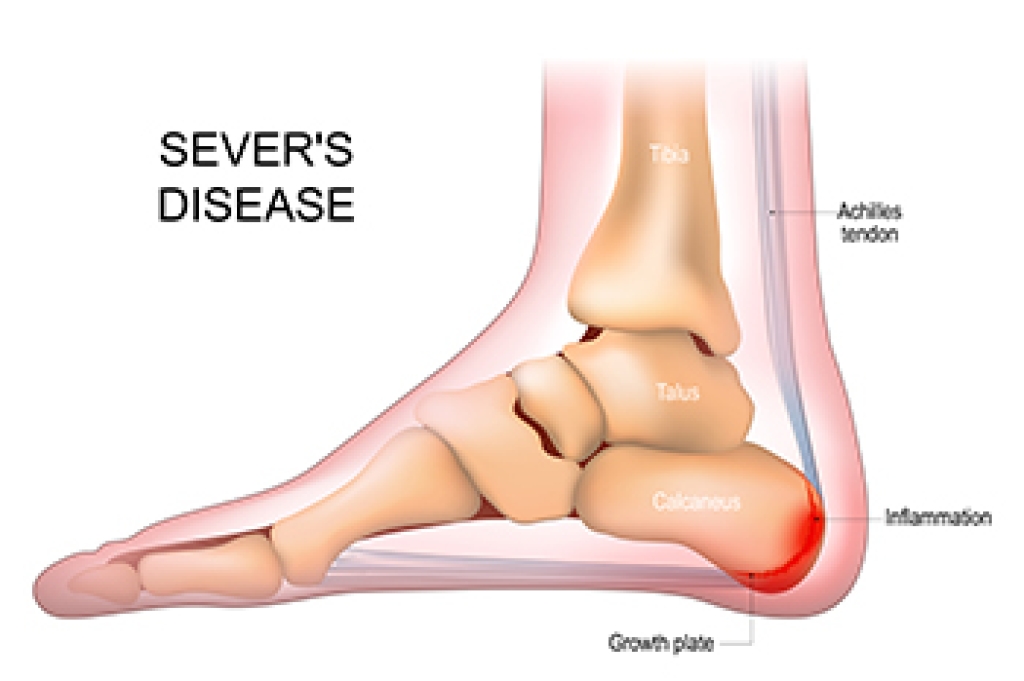
Sever’s disease is a painful heel condition that affects growing children and teenagers. It develops when repeated stress irritates the growth plate at the back of the heel. A growth plate is an area of developing tissue near the end of a bone. During a growth spurt, the heel bone can grow faster than nearby muscles and tendons. This can create tension where the Achilles tendon attaches to the heel. Children who participate in running or jumping activities can place repeated pressure on this area, making irritation and pain more likely.
Heel pain is the main symptom of Sever’s disease. The pain can affect one heel or both heels and can become worse with physical activity. The heel can also feel tender when squeezed. Some children develop swelling or redness around the painful area. They can begin limping or walking on their toes to avoid pressure on the heel. Sports that involve frequent running and jumping can increase the risk. Tight calf muscles and a tight Achilles tendon can also place more stress on the heel. Sever’s disease does not cause permanent damage to the growth plate.
A podiatrist can evaluate heel pain and determine whether Sever’s disease is responsible for the symptoms. The examination can include checking the heel for tenderness and assessing how the foot and ankle move. A podiatrist can also evaluate walking patterns and foot structure to identify factors that place extra stress on the heel. Treatment focuses on reducing irritation and protecting the growth plate while it heals. A podiatrist can recommend activity changes, supportive devices, or appropriate stretches based on the child’s condition. Care can help relieve pain and support a safe return to normal activities. If your active child has heel pain, it is suggested that you consult a podiatrist who can accurately diagnose and offer effective relief tips for Sever's disease.
Sever's disease often occurs in children and teens. If your child is experiencing foot or ankle pain, see Jordan Baker, DPM from Best Foot Forward Surgical Podiatry. Our doctor can treat your child’s foot and ankle needs.
Sever’s Disease
Sever’s disease is also known as calcaneal apophysitis, which is a medical condition that causes heel pain I none or both feet. The disease is known to affect children between the ages of 8 and 14.
Sever’s disease occurs when part of the child’s heel known as the growth plate (calcaneal epiphysis) is attached to the Achilles tendon. This area can suffer injury when the muscles and tendons of the growing foot do not keep pace with bone growth. Therefore, the constant pain which one experiences at the back of the heel will make the child unable to put any weight on the heel. The child is then forced to walk on their toes.
Symptoms
Acute pain – Pain associated with Sever’s disease is usually felt in the heel when the child engages in physical activity such as walking, jumping and or running.
Highly active – Children who are very active are among the most susceptible in experiencing Sever’s disease, because of the stress and tension placed on their feet.
If you have any questions, please feel free to contact our office located in Florence, SC. We offer the newest diagnostic and treatment technologies for all your foot care needs.
Rare foot conditions can cause unusual pain, stiffness, or changes in the structure of the feet. One example is a complex regional pain syndrome. It often begins after an injury and can cause persistent burning pain, swelling, and skin changes. Symptoms may make it difficult to move the affected foot comfortably. Another rare condition is tarsal coalition, which occurs when two bones in the foot are connected where a movable joint would normally be present. Although people are born with this condition, pain may not appear until later in life.
Tarsal coalition can make the foot stiff and more likely to experience sprains or other injuries. Reduced movement may also place greater stress on nearby joints and contribute to early osteoarthritis. Another uncommon problem is Bessel-Hagen disease. This inherited condition causes abnormal bony growths that can affect the feet and other areas of the body. Some growths cause no discomfort, while others can become painful if they press against nerves or interfere with normal movement. These rare foot conditions can affect mobility in different ways, making an accurate diagnosis important.
A podiatrist can evaluate unexplained foot pain and determine whether a rare foot disorder may be contributing to the symptoms. Medical imaging may be used to identify conditions such as tarsal coalition. Depending on the diagnosis, professional treatment may include foot orthotics or other approaches designed to improve function. Surgery may be considered in certain cases when a condition seriously limits foot mobility. Some rare foot diseases may produce few noticeable symptoms, which can make professional assessment especially valuable when unexplained problems continue. A podiatrist can determine the source of discomfort and develop a treatment plan based on the specific condition. If unexplained foot pain, stiffness, or structural changes are affecting your comfort or mobility, it is suggested that you consult a podiatrist for an evaluation and appropriate treatment options.
Some foot conditions may require additional professional care. If you have any concerns, contact Jordan Baker, DPM of Best Foot Forward Surgical Podiatry. Our doctor can provide the care you need to keep you pain-free and on your feet.
Rare Foot Conditions
The majority of foot conditions are common and can be treated by a podiatrist. Standard diagnostic procedures are generally used to identify specific conditions and treatment can be rendered. A podiatrist also treats rare foot conditions which can be difficult to diagnose and may need extra attention and care.
There are many rare foot conditions that can affect children. Some of these can include:
Freiberg’s disease
Kohler’s disease
Maffucci syndrome
Freiberg’s disease - This can be seen as a deterioration and flattening of a metatarsal bone that exists in the ball of the foot. It typically affects pre-teen and teenage girls, but can affect anyone at any age. Symptoms that can accompany this can be swelling, stiffness, and the patient may limp.
Kohler’s disease - This often targets the bone in the arch of the foot and affects younger boys. It can lead to an interruption of the blood supply which ultimately can lead to bone deterioration. The patient may limp or experience tenderness, swelling, and redness.
Maffucci syndrome - This affects the long bones in a child’s foot leading to the development of abnormal bone lesions. They are benign growths and typically develop in early childhood and the bones may be susceptible to breaking.
A podiatrist can properly diagnose and treat all types of rare foot conditions. If your child is affected by any of these symptoms or conditions, please don’t hesitate to call our office so the correct treatment method can begin.
If you have any questions, please feel free to contact our office located in Florence, SC. We offer the newest diagnostic and treatment technologies for all your foot care needs.
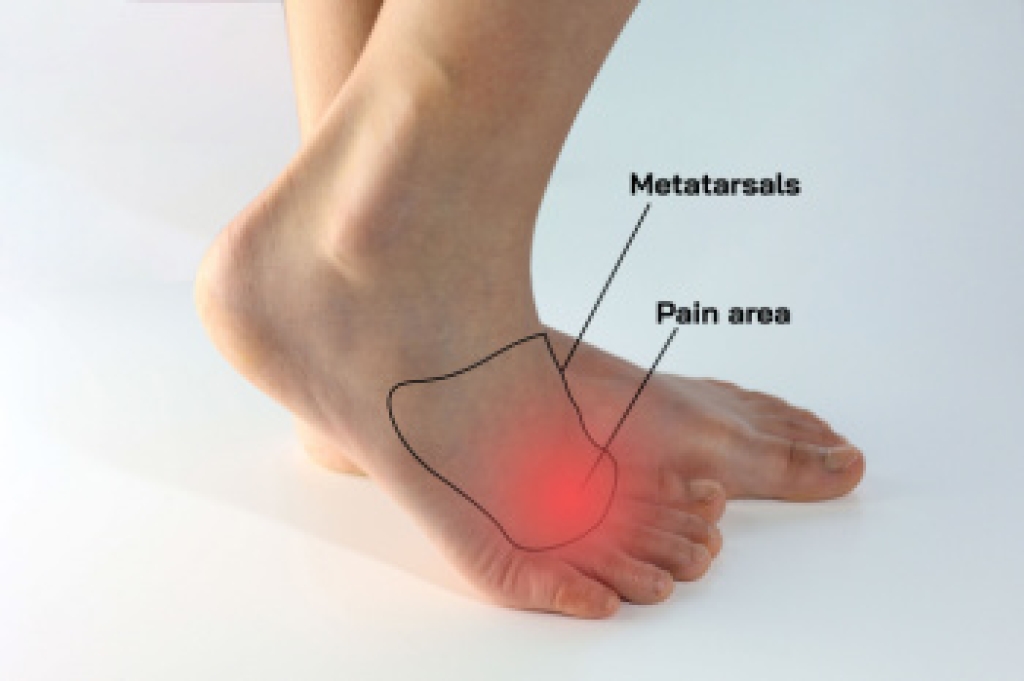
Morton’s neuroma develops when tissue surrounding a nerve in the ball of the foot becomes thickened and irritated. It usually affects the area between the third and fourth toes, although it can develop between other toes. The condition can cause burning pain, tingling, or numbness in the ball of the foot and toes. Some patients describe the feeling as having a small pebble inside the shoe. Pain can become more noticeable when walking or placing pressure on the front of the foot. Wearing tight shoes and high heels can squeeze the toes together and place added pressure on the irritated nerve.
Several factors can contribute to Morton’s neuroma. Foot structure can affect how pressure is distributed across the front of the foot. Flat feet, high arches, and bunions can increase stress in this area. Activities that repeatedly place pressure on the ball of the foot can also irritate the nerve. A podiatrist can examine the painful area and evaluate how the foot moves when walking. X-rays can help rule out other problems, including arthritis or a stress fracture. Ultrasounds or other digital imaging can provide a closer look at the soft tissues when the diagnosis is uncertain.
Treatment from a podiatrist focuses on reducing pressure around the affected nerve and relieving pain. Custom orthotics can improve foot support and redistribute pressure away from the painful area. A podiatrist can also recommend changes in shoe style and fit to provide more room across the toes. Persistent or severe symptoms may require surgery to remove damaged nerve tissue or release structures that are placing pressure on it. Treatment depends on the location and severity of the problem. If you have symptoms of Morton's neuroma, it is suggested that you schedule an appointment with a podiatrist for a diagnosis and appropriate treatment.
Morton’s neuroma is a very uncomfortable condition to live with. If you think you have Morton’s neuroma, contact Jordan Baker, DPM of Best Foot Forward Surgical Podiatry. Our doctor will attend to all of your foot care needs and answer any of your related questions.
Morton’s Neuroma
Morton's neuroma is a painful foot condition that commonly affects the areas between the second and third or third and fourth toe, although other areas of the foot are also susceptible. Morton’s neuroma is caused by an inflamed nerve in the foot that is being squeezed and aggravated by surrounding bones.
What Increases the Chances of Having Morton’s Neuroma?
Ill-fitting high heels or shoes that add pressure to the toe or foot
Jogging, running or any sport that involves constant impact to the foot
Flat feet, bunions, and any other foot deformities
Morton’s neuroma is a very treatable condition. Orthotics and shoe inserts can often be used to alleviate the pain on the forefront of the feet. In more severe cases, corticosteroids can also be prescribed. In order to figure out the best treatment for your neuroma, it’s recommended to seek the care of a podiatrist who can diagnose your condition and provide different treatment options.
If you have any questions, please feel free to contact our office located in Florence, SC. We offer the newest diagnostic and treatment technologies for all your foot care needs.