Common Types of Foot Arthritis and Their Impact on Mobility

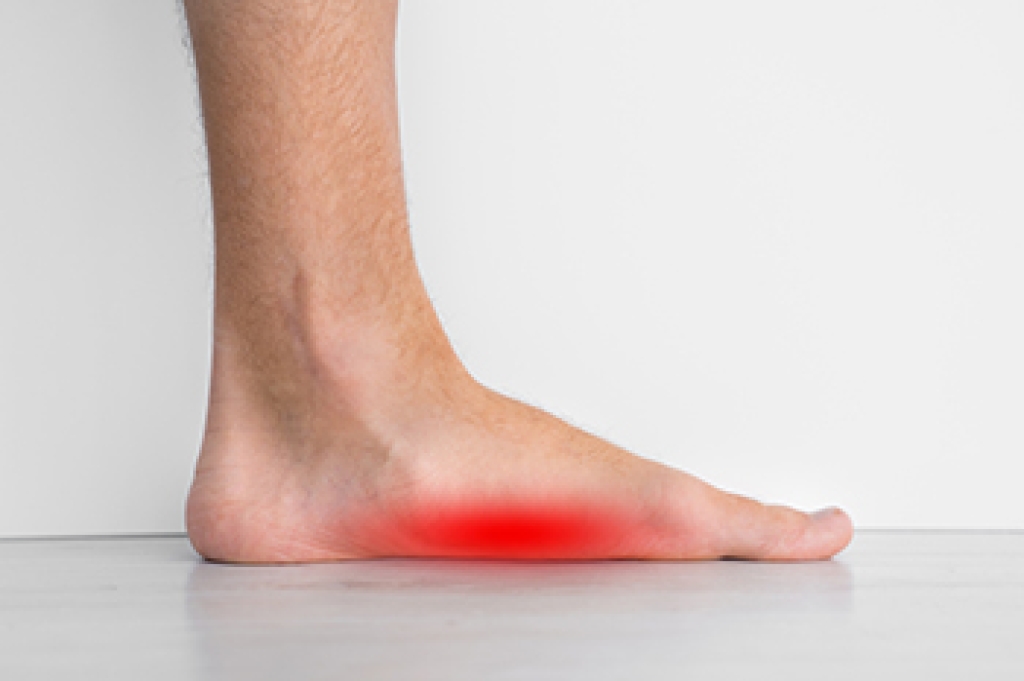
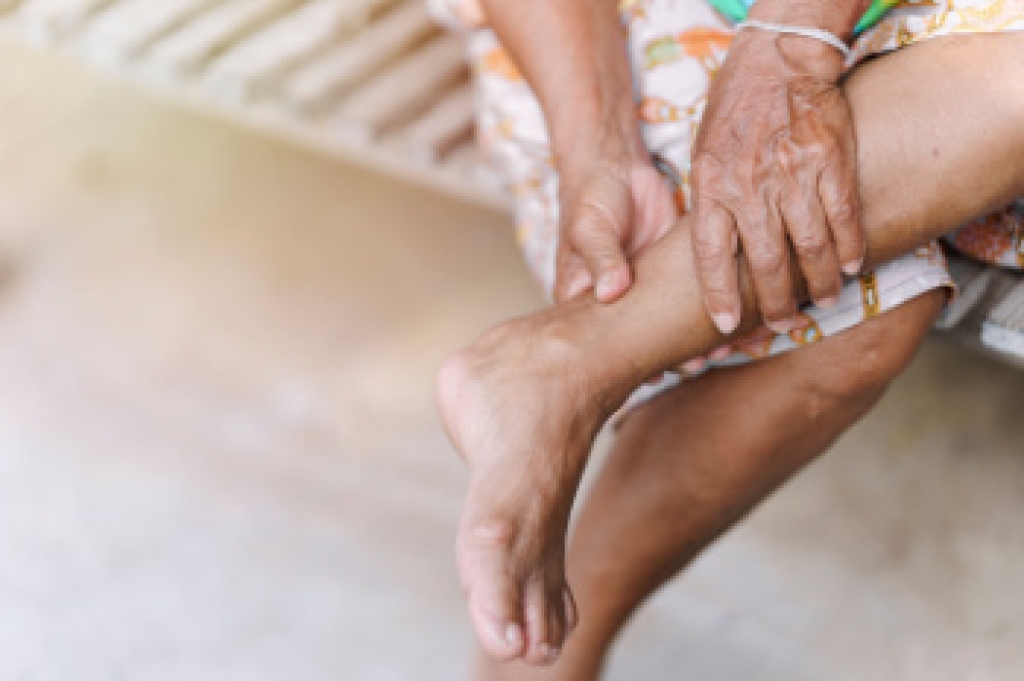
Foot arthritis includes several conditions that affect the joints, causing pain, stiffness, and limited movement. Among these, psoriatic arthritis is a significant inflammatory type that can lead to debilitating foot pain. It differs from other forms of arthritis because it involves both joint inflammation and changes in the surrounding soft tissue. This condition can affect multiple joints in the foot, making walking and standing difficult over time.

Symptoms often include persistent joint pain, swelling, and a feeling of warmth in the affected areas. Dactylitis is a key sign, where toes appear swollen and enlarged, resembling a sausage-like shape. Patients may also notice stiffness after periods of inactivity, as well as tenderness along tendons and ligaments. These symptoms can gradually worsen, leading to decreased mobility and challenges with everyday activities.


The causes of psoriatic arthritis are linked to immune system dysfunction, where the body mistakenly attacks healthy joint tissue. Risk factors include having psoriasis, a family history of autoimmune conditions, and certain environmental influences. Stress, infections, and physical trauma may also contribute to the onset or worsening of symptoms. Understanding these risk factors can help with early identification and management.


Treatment focuses on reducing inflammation, preserving joint function, and improving quality of life. Wearing supportive shoes, custom orthotics, and targeted therapies can help relieve pressure on affected joints. Early intervention is essential to prevent long term damage. Consistent care with a podiatrist allows for monitoring and adjustment of treatment plans. If you have foot arthritis, it is suggested that you consult a podiatrist for effective relief and management solutions.

Arthritis can be a difficult condition to live with. If you are seeking treatment, contact Jordan Baker, DPM from Best Foot Forward Surgical Podiatry. Our doctor can provide the care you need to keep you pain-free and on your feet.

Arthritic Foot Care  

Arthritis is a joint disorder that involves the inflammation of different joints in your body, such as those in your feet. Arthritis is often caused by a degenerative joint disease and causes mild to severe pain in all affected areas. In addition to this, swelling and stiffness in the affected joints can also be a common symptom of arthritis.

In many cases, wearing ill-fitting shoes can worsen the effects and pain of arthritis. Wearing shoes that have a lower heel and extra room can help your feet feel more comfortable. In cases of rheumatoid arthritis, the arch in your foot may become problematic. Buying shoes with proper arch support that contour to your feet can help immensely.

Alleviating Arthritic Pain

  • Exercises that stretch the foot can prevent further pain and injury and increase mobility
  • Most of the pain can be alleviated with anti-inflammatory drugs, heat, and topical medications
  • Massages can help temporarily alleviate pain.

It is best to see your doctor for the treatment that is right for your needs and symptoms. Conditions vary, and a podiatrist can help you determine the right method of care for your feet.

If you have any questions please feel free to contact our office located in Florence, SC . We offer the newest diagnostic tools and technology to treat your foot and ankle needs.

Read more about Arthritic Foot Care

Ways Your Shoes May Be Harming Your Feet

Shoes play an important role in foot health, yet many people have footwear that causes pain and other problems. Shoes that are too tight can squeeze the toes and place pressure on the front of the foot. This can lead to bunions, which are bony bumps that develop near the big toe joint. Tight shoes can also contribute to hammertoes, a condition in which the toes bend abnormally. Pointed-toe shoes are another concern because they push the toes together and reduce the space needed for normal movement. Footwear that does not fit properly can also change the way a person walks, creating strain on the feet and ankles.

Worn-out shoes can be just as harmful as shoes that fit poorly. The bottoms of shoes gradually wear down, especially around the heel. When this happens, the foot can become unbalanced while walking. Running shoes also lose their cushioning after repeated use. Less cushioning means the feet absorb more impact with every step. This can lead to discomfort in the feet, ankles, knees, and hips. Another common mistake is buying shoes without trying them on first. Shoe sizes can vary between brands, and a shoe that looks comfortable may not fit well once it is worn.

The time of day when shoes are purchased can also make a difference. Feet naturally swell after standing and walking for several hours. Shoes that feel comfortable early in the morning may become tight later in the day. It is also important to spend several minutes walking in new shoes before buying them. A podiatrist can evaluate foot structure, discuss footwear choices, and recommend supportive shoes or orthotics when needed. If you have foot pain from the shoes you wear, it is suggested that you make an appointment with a podiatrist for an exam and diagnosis.

It is important to find shoes that fit you properly in order to avoid a variety of different foot problems. For more information about treatment, contact Jordan Baker, DPM from Best Foot Forward Surgical Podiatry. Our doctor will treat your foot and ankle needs.

Proper Shoe Fitting

Shoes have many different functions. They cushion our body weight, protect our feet, and allow us to safely play sports. You should always make sure that the shoes you wear fit you properly in order to avoid injuries and deformities such as: bunions, corns, calluses, hammertoes, plantar fasciitis, stress fractures, and more. It is important to note that although a certain pair of shoes might be a great fit for someone else, that doesn’t mean they will be a great fit for you. This is why you should always try on shoes before buying them to make sure they are worth the investment. Typically, shoes need to be replaced ever six months to one year of regular use.

Tips for Proper Shoe Fitting

  • Select a shoe that is shaped like your foot
  • Don’t buy shoes that fit too tight, expecting them to stretch to fit
  • Make sure there is enough space (3/8” to ½”) for your longest toe at the end of each shoe when you are standing up
  • Walk in the shoes to make sure they fit and feel right
  • Don’t select shoes by the size marked inside the shoe, but by how the shoe fits your foot

The shoes you buy should always feel as good as they look. Shoes that fit properly will last longer, feel better, and improve your way of life each day.

If you have any questions please contact our office located in Florence, SC . We offer the newest diagnostic and treatment technologies for all your foot and ankle needs.

Read more about Getting the Right Shoe Size

Why Do Bunions Develop?

A bunion is a foot condition where there is a bony protrusion on the side of the big toe. It can develop as a result of genetic factors or from wearing shoes that do not have adequate room for the toes to move freely in. Larger shoes may need to be purchased for existing bunions, and it may be difficult to walk. Additionally, patients may notice the affected joint has become stiff and red, and it may be challenging to maintain balance. Specific foot stretches and exercises may be beneficial in improving general foot function by strengthening the muscles, tendons, and ligaments. Wearing custom-made orthotics may help to reduce the discomfort from having a bunion, and toe separators may help to alleviate a portion of the pain. If you have a painful bunion, it is suggested that you make an appointment with a podiatrist who can recommend treatment options, which may include surgery for permanent removal.

If you are suffering from bunion pain, contact Jordan Baker, DPM of Best Foot Forward Surgical Podiatry. Our doctor can provide the care you need to keep you pain-free and on your feet.

What Is a Bunion?

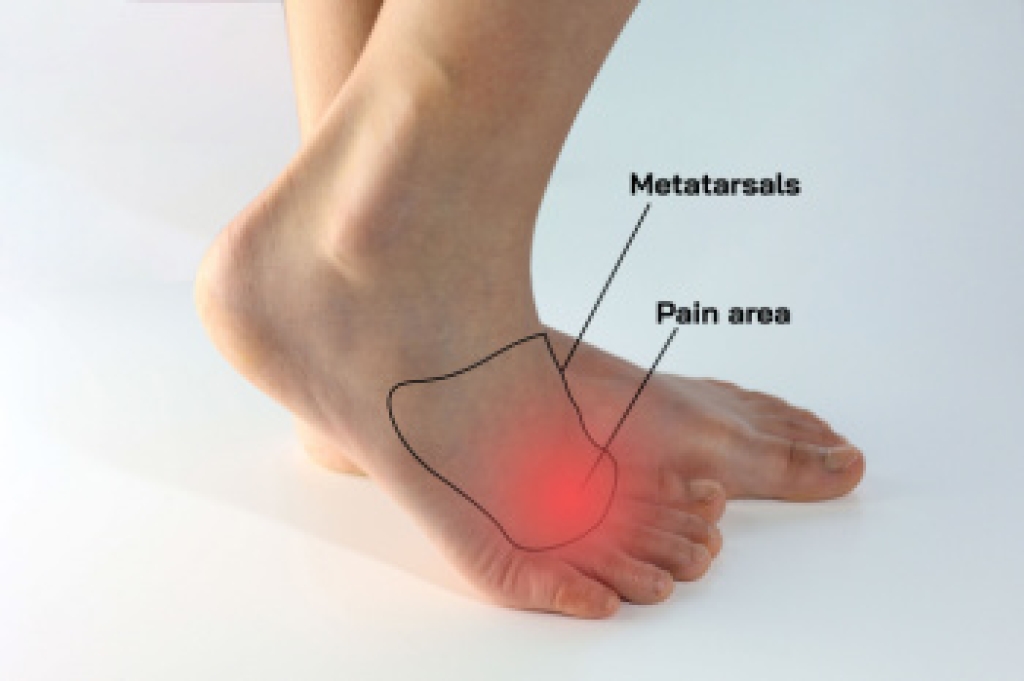
Bunions are painful bony bumps that usually develop on the inside of the foot at the joint of the big toe. As the deformity increases over time, it may become painful to walk and wear shoes. Women are more likely to exacerbate existing bunions since they often wear tight, narrow shoes that shift their toes together. Bunion pain can be relieved by wearing wider shoes with enough room for the toes.

Causes

  • Genetics – some people inherit feet that are more prone to bunion development
  • Inflammatory Conditions - rheumatoid arthritis and polio may cause bunion development

Symptoms

  • Redness and inflammation
  • Pain and tenderness
  • Callus or corns on the bump
  • Restricted motion in the big toe

In order to diagnose your bunion, your podiatrist may ask about your medical history, symptoms, and general health. Your doctor might also order an x-ray to take a closer look at your feet. Nonsurgical treatment options include orthotics, padding, icing, changes in footwear, and medication. If nonsurgical treatments don’t alleviate your bunion pain, surgery may be necessary.

If you have any questions, please feel free to contact our office located in Florence, SC . We offer the newest diagnostic and treatment technologies for all your foot care needs.
Read more about What Are Bunions?

Understanding Corns and How They Differ From Calluses

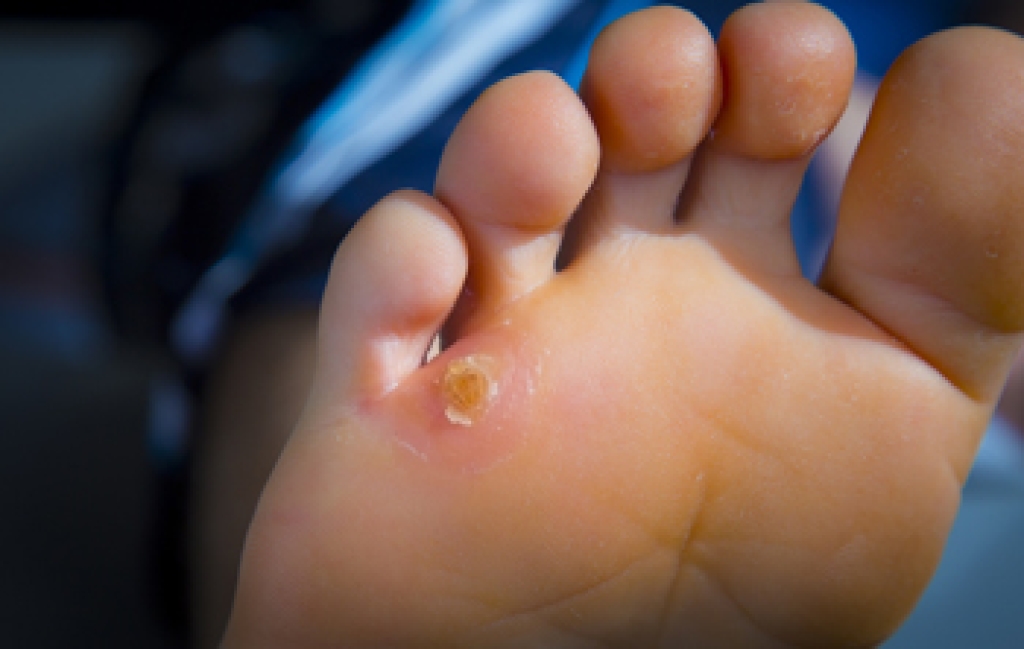
A corn is a small, thickened area of skin that develops as a protective response to repeated friction and pressure. Corns are usually smaller and deeper than calluses, and may have a hard center that can cause tenderness. Calluses tend to be larger, flatter areas of thickened skin that form over wider regions. Corns often appear on the side of the feet from wearing tight shoes, while calluses may develop on the ball of the foot from activities such as running barefoot. Risk factors include poor footwear, repetitive motion, and foot structure. A podiatrist can safely treat corns, reduce pressure, and recommend proper footwear to prevent recurrence. Corns can be painful, and may cause difficulty in completing daily activities. If you have a foot corn, it is suggested that you consult a podiatrist who can offer you effective relief and treatment solutions.

Corns can make walking very painful and should be treated immediately. If you have questions regarding your feet and ankles, contact Jordan Baker, DPM of Best Foot Forward Surgical Podiatry. Our doctor will treat your foot and ankle needs.

Corns: What Are They? And How Do You Get Rid of Them?
Corns are thickened areas on the skin that can become painful. They are caused by excessive pressure and friction on the skin. Corns press into the deeper layers of the skin and are usually round in shape.

Ways to Prevent Corns
There are many ways to get rid of painful corns such as:

  • Wearing properly fitting shoes that have been measured by a professional
  • Wearing shoes that are not sharply pointed or have high heels
  • Wearing only shoes that offer support

Treating Corns

Although most corns slowly disappear when the friction or pressure stops, this isn’t always the case. Consult with your podiatrist to determine the best treatment option for your case of corns.

If you have any questions, please feel free to contact our office located in Florence, SC . We offer the newest diagnostic and treatment technologies for all your foot care needs.
Read more about Corns and Calluses

Reminder: When Was the Last Time...?

Custom orthotics, or shoe inserts, should be periodically replaced. Orthotics must fit properly to give you the best results. Protect your feet and ankles!

Connect With Us

Advanced Podiatric Procedures & Services in the Florence County, SC: Florence (Quinby, Effingham, Peniel Crossroads, Sardis, Timmonsville, Winona, Coward) and Darlington County, SC: Darlington, Lamar, Floyd areas