Seasonal Foot Care Tips

Summer is the perfect time to enjoy warm weather, but it is also a season when your feet need extra care. Avoid super hot showers because they can dry the skin and make cracking more likely. Gently exfoliate to remove rough patches and keep the skin smooth. Additionally, always apply sunblock to the tops of your feet when wearing sandals or spending time outdoors, since this area is often overlooked and prone to sunburn. A podiatrist can help you manage dry skin, evaluate foot pain, and recommend products that keep your feet healthy through the summer months. If you have any type of foot pain, it is suggested that you consult a podiatrist who can treat various foot conditions, and guide you on additional everyday foot care routines. 

Everyday foot care is very important to prevent infection and other foot ailments. If you need your feet checked, contact Jordan Baker, DPM from Best Foot Forward Surgical Podiatry. Our doctor can provide the care you need to keep you pain-free and on your feet.

Everyday Foot Care

Often, people take care of their bodies, face and hair more so than they do for their feet. But the feet are a very important aspect of our bodies, and one that we should pay more attention to. Without our feet, we would not be able to perform most daily tasks.

It is best to check your feet regularly to make sure there are no new bruises or cuts that you may not have noticed before. For dry feet, moisturizer can easily be a remedy and can be applied as often as necessary to the affected areas. Wearing shoes that fit well can also help you maintain good foot health, as well as making it easier to walk and do daily activities without the stress or pain of ill-fitting shoes, high heels, or even flip flops. Wearing clean socks with closed shoes is important to ensure that sweat and bacteria do not accumulate within the shoe. Clean socks help to prevent Athlete’s foot, fungi problems, bad odors, and can absorb sweat.

If you have any questions, please feel free to contact our office located in Florence, SC . We offer the newest diagnostic and treatment technologies for all your foot care needs.


Read more about Every Day Foot Care

Understanding Plantar Warts and Your Foot Health

Plantar warts are small growths that develop on the soles of the feet due to the human papillomavirus entering the skin through tiny cuts or weak spots. They often appear as rough, grainy, or fleshy lesions and may have small black pinpoint dots within them. Symptoms can include tenderness while walking, a feeling similar to standing on a pebble, and discomfort that increases with pressure. Some warts grow inward beneath a thickened layer of skin, making them difficult to identify without professional guidance. A podiatrist can provide a clear diagnosis through careful examination and can recommend treatments such as topical medications or debridement depending on the severity and location of the wart. Professional care helps prevent spreading, reduces pain, and supports faster recovery. If you notice persistent foot pain or a suspicious growth on the sole of your foot, it is suggested that you schedule an appointment with a podiatrist for relief and treatment options.

Plantar warts can be very uncomfortable. If you need your feet checked, contact Jordan Baker, DPM from Best Foot Forward Surgical Podiatry. Our doctor will assist you with all of your foot and ankle needs.

About Plantar Warts

Plantar warts are the result of HPV, or human papillomavirus, getting into open wounds on the feet. They are mostly found on the heels or balls of the feet.

While plantar warts are generally harmless, those experiencing excessive pain or those suffering from diabetes or a compromised immune system require immediate medical care. Plantar warts are easily diagnosed, usually through scraping off a bit of rough skin or by getting a biopsy.

Symptoms

  • Lesions on the bottom of your feet, usually rough and grainy
  • Hard or thick callused spots
  • Wart seeds, which are small clotted blood vessels that look like little black spots
  • Pain, discomfort, or tenderness of your feet when walking or standing

Treatment

  • Freezing
  • Electric tool removal
  • Laser Treatment
  • Topical Creams (prescription only)
  • Over-the-counter medications

To help prevent developing plantar warts, avoid walking barefoot over abrasive surfaces that can cause cuts or wounds for HPV to get into. Avoiding direct contact with other warts, as well as not picking or rubbing existing warts, can help prevent the further spread of plantar warts. However, if you think you have developed plantar warts, speak to your podiatrist. He or she can diagnose the warts on your feet and recommend the appropriate treatment options.

If you have any questions, please feel free to contact our office located in Florence, SC . We offer the newest diagnostic and treatment technologies for all your foot care needs.

Read more about What Are Plantar Warts?

Why Live with Pain and Numbness in Your Feet?

Suffering from this type of pain? You may have the foot condition known as Morton's neuroma. Morton's neuroma may develop as a result of ill-fitting footwear and existing foot deformities. We can help.

When the Big Toe Becomes Stiff and Painful

Hallux rigidus is a form of arthritis that affects the joint at the base of the big toe, making it difficult to bend or push off while walking. Over time, the joint loses flexibility as cartilage wears down, leading to stiffness, swelling, and aching pain, especially during motion. Some people notice a bump forming on top of the toe joint, which can make wearing certain shoes uncomfortable. Because this joint plays a key role in balance and forward movement, even small limitations can affect overall mobility. Early treatment focuses on reducing joint stress with supportive footwear, custom orthotics, and anti-inflammatory care. In more advanced cases, surgery may help to restore comfort and function. If your big toe feels stiff or sore when walking, it is suggested that you see a podiatrist for evaluation and treatment options.

Toe pain can disrupt your daily activities. If you have any concerns, contact Jordan Baker, DPM of Best Foot Forward Surgical Podiatry. Our doctor can provide the care you need to keep you pain-free and on your feet.

What Causes Toe Pain?

Most severe toe pain is caused due to a sports injury, trauma from dropping something heavy on the toe, or bumping into something rigid. Other problems can develop over time for various reasons.

Toe pain can be caused by one or more ailments. The most common include:

  • Trauma
  • Sports injury
  • Wearing shoes that are too tight
  • Arthritis
  • Gout
  • Corns and calluses
  • Hammertoe
  • Bunions
  • Blisters
  • Ingrown toenails
  • Sprains
  • Fractures (broken bones)
  • Dislocations

When to See a Podiatrist

  • Severe pain
  • Persistent pain that lasts more than a week
  • Signs of infection
  • Continued swelling
  • Pain that prevents walking

Diagnosis

In many cases the cause of toe pain is obvious, but in others, a podiatrist may want to use more advanced methods to determine the problem. These can range from simple visual inspections and sensation tests to X-rays and MRI scans. Prior medical history, family medical history, and any recent physical traumatic events will all be taken into consideration for a proper diagnosis.

Treatment

Treatments for toe pain and injuries vary and may include shoe inserts, padding, taping, medicines, injections, and in some cases, surgery. If you believe that you have broken a toe, please see a podiatrist as soon as possible.

If you have any questions please contact our office located in Florence, SC . We offer the newest diagnostic and treatment technologies for all your foot and ankle needs.

Read more about Toe Pain

Stepping on Sharp Objects

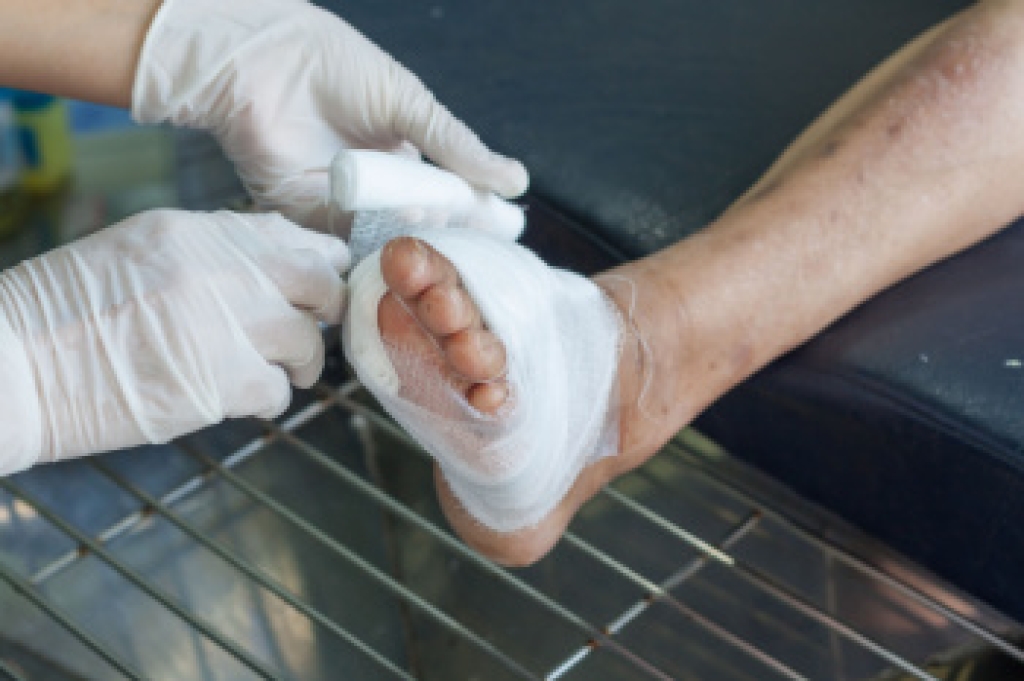
Stepping on a rogue object can turn a pleasant walk into a painful memory. We have all experienced that sudden, sharp sting of a puncture wound on the foot. While it may seem like a small annoyance, ignoring it can lead to bigger problems lurking beneath the surface. When a sharp item penetrates the skin, it can push dirt, bacteria, or pieces of the object itself deep into the tissue. This creates a perfect environment for infection. Even a small piece of glass or a splinter can cause significant trouble if not properly removed and treated. Your feet are your foundation, and their health is vital to your overall wellbeing. If you have a puncture wound, especially if it is deep, bleeds significantly, or if you see signs of redness and swelling, it is suggested that you see a podiatrist as quickly as possible for appropriate treatment.

Wound care is an important part in dealing with diabetes. If you have diabetes and a foot wound or would like more information about wound care for diabetics, consult with Jordan Baker, DPM from Best Foot Forward Surgical Podiatry. Our doctor will assess your condition and provide you with quality foot and ankle treatment.

What Is Wound Care?

Wound care is the practice of taking proper care of a wound. This can range from the smallest to the largest of wounds. While everyone can benefit from proper wound care, it is much more important for diabetics. Diabetics often suffer from poor blood circulation which causes wounds to heal much slower than they would in a non-diabetic. 

What Is the Importance of Wound Care?

While it may not seem apparent with small ulcers on the foot, for diabetics, any size ulcer can become infected. Diabetics often also suffer from neuropathy, or nerve loss. This means they might not even feel when they have an ulcer on their foot. If the wound becomes severely infected, amputation may be necessary. Therefore, it is of the upmost importance to properly care for any and all foot wounds.

How to Care for Wounds

The best way to care for foot wounds is to prevent them. For diabetics, this means daily inspections of the feet for any signs of abnormalities or ulcers. It is also recommended to see a podiatrist several times a year for a foot inspection. If you do have an ulcer, run the wound under water to clear dirt from the wound; then apply antibiotic ointment to the wound and cover with a bandage. Bandages should be changed daily and keeping pressure off the wound is smart. It is advised to see a podiatrist, who can keep an eye on it.

If you have any questions please contact our office located in Florence, SC . We offer the newest diagnostic and treatment technologies for all your foot and ankle needs.

Read more about Wound Care

Connect With Us

scroll to top