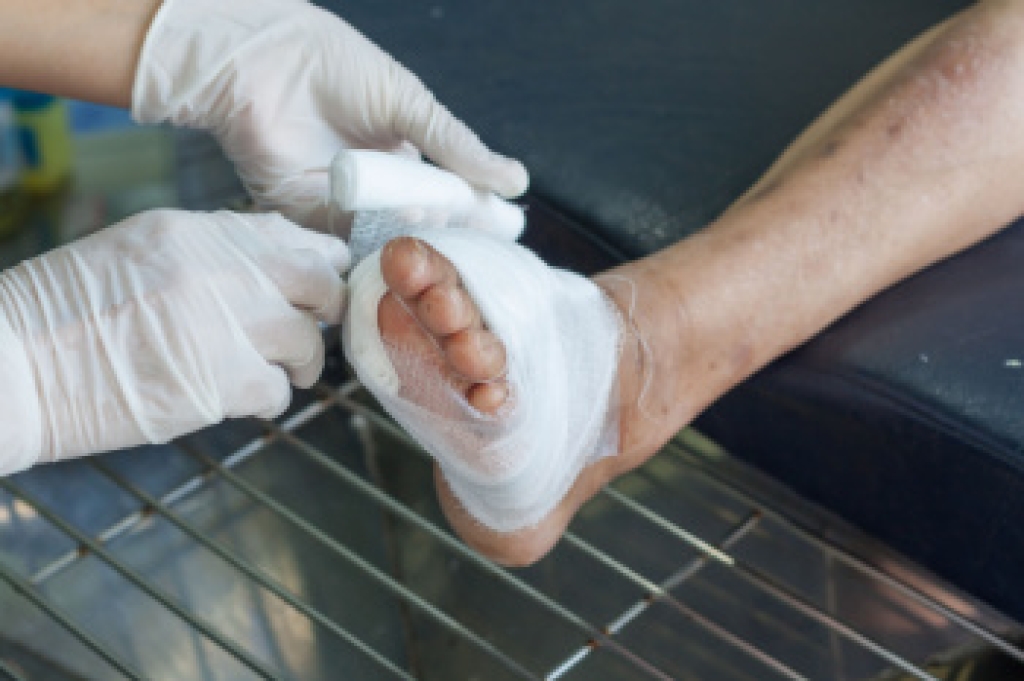
How Foot Health Supports Falls Prevention

Falls are a leading cause of injury, especially among older adults, and healthy feet play an important role in maintaining balance and stability. Foot pain, reduced sensation, and poor joint movement can make walking more difficult and increase the risk of losing balance. Certain foot conditions may also affect the way a person walks, placing extra stress on the body and making everyday activities less safe. Muscle weakness, limited flexibility, and changes in foot structure can further reduce stability. Because many factors contribute to falls, evaluating foot health is an important part of identifying risks before an injury occurs. Early assessment can help improve mobility and support safer movement.


Foot and ankle function directly affects balance with every step. Conditions such as arthritis, bunions, and hammertoes may interfere with normal walking patterns. Other problems, including nerve-related changes, can reduce feeling in the feet and make it harder to detect uneven surfaces. As movement becomes less stable, the risk of slips and falls may increase. A thorough podiatry evaluation helps identify problems that affect balance, foot function, and walking mechanics. Understanding these issues allows a podiatrist to recommend treatment that supports safer mobility and helps reduce the likelihood of future falls.


A podiatrist plays an important role in falls prevention by evaluating foot health, identifying movement concerns, and developing an individualized treatment plan. Professional care may focus on improving foot function, reducing pain, and supporting better balance during daily activities. Regular evaluations also allow changes in foot health to be monitored before they lead to more serious mobility problems. Seeking care early may help maintain independence and reduce the risk of fall-related injuries. If foot pain, balance problems, or changes in the way you walk are affecting your stability, it is suggested that you consult a podiatrist for an evaluation and appropriate treatment options.

Preventing falls among the elderly is very important. If you are older and have fallen or fear that you are prone to falling, consult with Jordan Baker, DPM from Best Foot Forward Surgical Podiatry. Our doctor will assess your condition and provide you with quality advice and care.

Every 11 seconds, an elderly American is being treated in an emergency room for a fall related injury. Falls are the leading cause of head and hip injuries for those 65 and older. Due to decreases in strength, balance, senses, and lack of awareness, elderly persons are very susceptible to falling. Thankfully, there are a number of things older persons can do to prevent falls.

How to Prevent Falls

Some effective methods that older persons can do to prevent falls include:

  • Enrolling in strength and balance exercise program to increase balance and strength
  • Periodically having your sight and hearing checked
  • Discuss any medications you have with a doctor to see if it increases the risk of falling
  • Clearing the house of falling hazards and installing devices like grab bars and railings
  • Utilizing a walker or cane
  • Wearing shoes that provide good support and cushioning
  • Talking to family members about falling and increasing awareness

Falling can be a traumatic and embarrassing experience for elderly persons; this can make them less willing to leave the house, and less willing to talk to someone about their fears of falling. Doing such things, however, will increase the likelihood of tripping or losing one’s balance. Knowing the causes of falling and how to prevent them is the best way to mitigate the risk of serious injury.  

If you have any questions, please feel free to contact our office located in Florence, SC . We offer the newest diagnostic and treatment technologies for all your foot care needs.


Read more about Falls Prevention

Common Symptoms of Toenail Fungus

Toenail fungus, also known as a fungal toenail infection, is a common condition that affects the appearance and health of the nails. It develops when fungi enter the nail through small cracks, nail damage, or openings around the nail bed. The infection often progresses slowly and may become more noticeable over time. Without proper care, toenail fungus can cause changes in nail texture, color, and strength. Understanding the causes and symptoms of this condition can help individuals seek early treatment and protect their foot health.


Symptoms of toenail fungus often include white or yellow discoloration of the nail. As the infection progresses, the toenail may become thick, brittle, and difficult to trim. Many individuals notice that the nail breaks easily or becomes rough and uneven along the edges. In some cases, the nail may separate from the nail bed or develop an unpleasant odor. These changes can cause discomfort, especially when wearing shoes or placing pressure on the toes.


Several causes can contribute to the development of toenail fungus. Fungi thrive in environments that are constantly warm and damp, making sweaty shoes and enclosed footwear common contributors. Poor foot hygiene can increase the likelihood of fungal growth. Toenail damage caused by injury or improper trimming may create an entry point for infection. A weakened immune system can also make it more difficult for the body to fight off fungal organisms.


Risk factors include wearing tight-fitting shoes, frequent exposure to moist areas such as locker rooms, and allowing feet to remain damp for extended periods. Individuals with previous nail injuries or certain health conditions may also have a higher risk of developing toenail fungus. Preventive measures include keeping feet clean and dry, wearing breathable footwear, and maintaining proper nail care habits. If you have symptoms of toenail fungus, it is suggested that you consult a podiatrist for effective treatment solutions, which may include prescribed medication.

For more information about treatment, contact Jordan Baker, DPM of Best Foot Forward Surgical Podiatry. Our doctor can provide the care you need to keep you pain-free and on your feet.

Toenail Fungus Treatment

Toenail fungus is a condition that affects many people and can be especially hard to get rid of. Fortunately, there are several methods to go about treating and avoiding it.

Antifungals & Deterrence

Oral antifungal medicine has been shown to be effective in many cases. It is important to consult with a podiatrist to determine the proper regiment for you, or potentially explore other options.

Applying foot powder on the feet and shoes helps keep the feet free of moisture and sweat.

Sandals or open toed shoes – Wearing these will allow air movement and help keep feet dry. They also expose your feet to light, which fungus cannot tolerate. Socks with moisture wicking material also help as well.

If you have any questions please contact our office located in Florence, SC . We offer the newest diagnostic and treatment technologies for all your foot and ankle needs.

Read more about How to Treat Your Toenail Fungus

Midfoot and Forefoot Mechanics in Lateral Ankle Sprains

Lateral ankle sprains are among the most common foot and ankle injuries and often involve more than just the ankle joint. The midfoot and forefoot play a key role in stability, force distribution, and balance during movement. A lateral ankle sprain occurs when the ligaments on the outer side of the ankle are stretched or torn, usually due to an inward rolling motion of the foot. When this motion occurs, the midfoot and forefoot can also shift, placing additional strain on surrounding structures and increasing the risk of long-term instability.

Symptoms of a lateral ankle sprain include pain on the outer ankle, swelling, bruising, and difficulty bearing weight. When the midfoot and forefoot are involved, patients may also report pain along the arch or the ball of the foot. There may be tenderness when pressing on the midfoot joints and a feeling of weakness or instability when walking. Chronic ankle instability can develop if the ligaments do not heal properly, leading to repeated sprains and a persistent sense of the ankle giving way during activity.


Risk factors for these injuries include poor foot alignment, weak stabilizing muscles, and improper footwear. Individuals with flat feet or high arches may experience uneven pressure distribution, which affects how the midfoot and forefoot absorb impact. Sudden changes in direction, uneven surfaces, and lack of balance training can increase the likelihood of injury. Previous ankle sprains are a major risk factor for chronic instability, especially when rehabilitation is incomplete or delayed.


Understanding the connection between the ankle, midfoot, and forefoot is essential for proper recovery and prevention. Strengthening exercises that target the intrinsic foot muscles and improve proprioception can enhance stability and reduce reinjury risk. Supportive footwear and custom orthotics may help maintain proper alignment during activity. If you have ankle pain related to instability or sprains, it is suggested that you consult a podiatrist for effective relief and treatment solutions.

Although ankle sprains are common, they aren’t always minor injuries. If you need your ankle injury looked at, contact Jordan Baker, DPM from Best Foot Forward Surgical Podiatry. Our doctor can provide the care you need to keep you pain-free and on your feet.

How Does an Ankle Sprain Occur?

Ankle sprains are the result of a tear in the ligaments within the ankle. These injuries may happen when you make a rapid shifting movement while your foot is planted. A less common way to sprain your ankle is when your ankle rolls inward while your foot turns outward.

What Are the Symptoms?

  • Pain at the sight of the tear
  • Bruising/Swelling
  • Ankle area is tender to touch
  • In severe cases, may hear/feel something tear
  • Skin discoloration

Preventing a Sprain

  • Wearing appropriate shoes for the occasion
  • Stretching before exercises and sports
  • Knowing your limits

Treatment of a Sprain

In many cases, the RICE method (Rest, Ice, Compression, and Elevate) is used to treat ankle sprains. However, you should see a podiatrist to see which treatment option would work best with your injury. In severe cases, surgery may be required.

It is important to ask your doctor about rehab options after you receive treatment for your injury. Stretching, strength training, and balance exercises may help the ankle heal while also preventing further injury.

If you have any questions, please feel free to contact our office located in Florence, SC . We offer the newest diagnostic and treatment technologies for all your foot care needs.

Read more about Three Grades of Ankle Sprains

Lisfranc Injury and Midfoot Damage

A Lisfranc injury is a serious condition that affects the midfoot where the metatarsal bones connect to the tarsal bones. It often occurs when the foot is twisted or crushed, causing damage to the ligaments that support this area. Common causes include falls, sports injuries, or accidents involving heavy impact. Symptoms may include swelling on the top of the foot, pain when standing or walking, and difficulty bearing weight. Some people may also notice bruising on the bottom of the foot, which is a key warning sign. Risk factors include high impact sports, uneven surfaces, and previous foot injuries. If not properly treated, the injury can lead to long term instability and chronic pain. A podiatrist can diagnose the injury using imaging, assess severity, and guide appropriate treatment to restore stability and function. It is suggested that if you have a fractured foot, please visit a podiatrist for effective relief and treatment solutions.

A broken foot requires immediate medical attention and treatment. If you need your feet checked, contact Jordan Baker, DPM from Best Foot Forward Surgical Podiatry. Our doctor can provide the care you need to keep you pain-free and on your feet.

Broken Foot Causes, Symptoms, and Treatment

A broken foot is caused by one of the bones in the foot typically breaking when bended, crushed, or stretched beyond its natural capabilities. Usually the location of the fracture indicates how the break occurred, whether it was through an object, fall, or any other type of injury. 

Common Symptoms of Broken Feet:

  • Bruising
  • Pain
  • Redness
  • Swelling
  • Blue in color
  • Numbness
  • Cold
  • Misshapen
  • Cuts
  • Deformities

Those that suspect they have a broken foot shoot seek urgent medical attention where a medical professional could diagnose the severity.

Treatment for broken bones varies depending on the cause, severity and location. Some will require the use of splints, casts or crutches while others could even involve surgery to repair the broken bones. Personal care includes the use of ice and keeping the foot stabilized and elevated.

If you have any questions, please feel free to contact our office located in Florence, SC . We offer the newest diagnostic and treatment technologies for all your foot care needs.

Read more about Causes, Symptoms, and Treatment for a Broken Foot

Connect With Us

Advanced Podiatric Procedures & Services in the Florence County, SC: Florence (Quinby, Effingham, Peniel Crossroads, Sardis, Timmonsville, Winona, Coward) and Darlington County, SC: Darlington, Lamar, Floyd areas